| Creating
and Producing the Art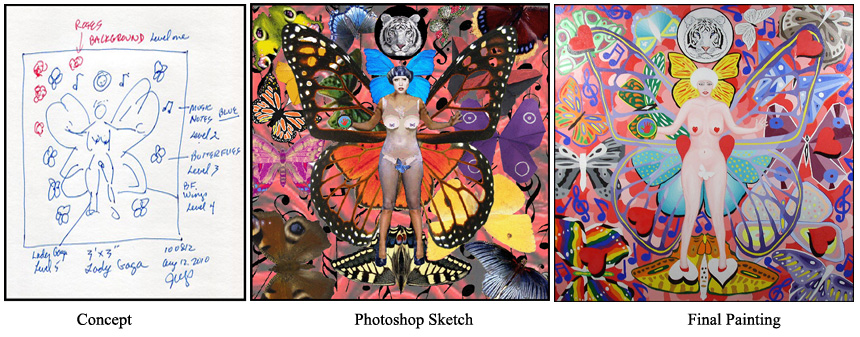
Creating
and Producing the Art
The following
is a short rendition of how the paintings on this website
are produced. I only paint using oils on canvas.
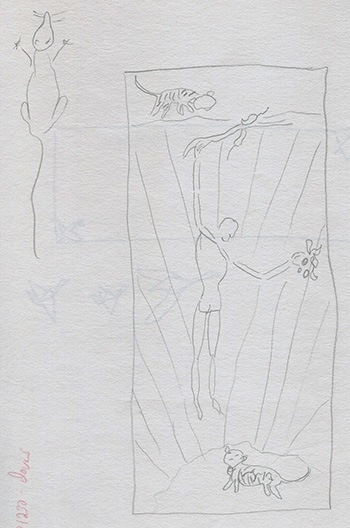
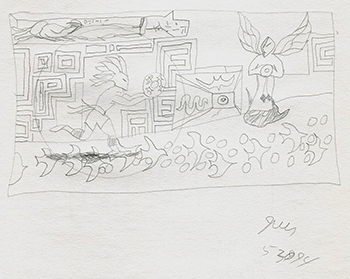
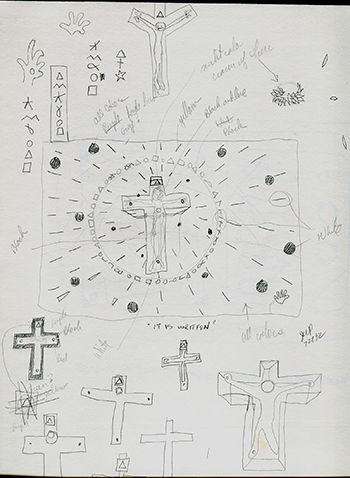
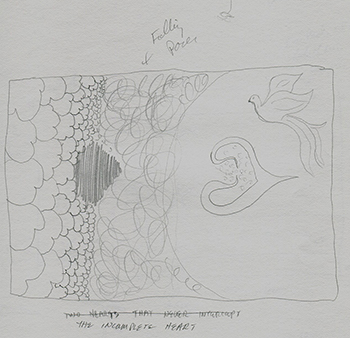
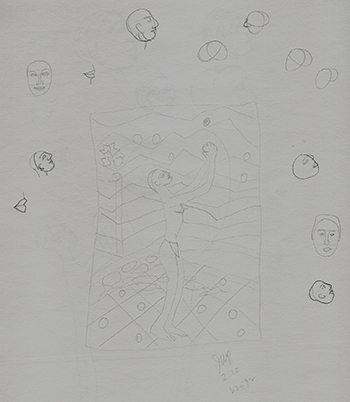
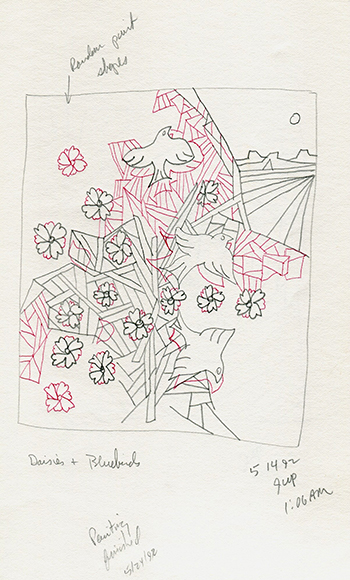
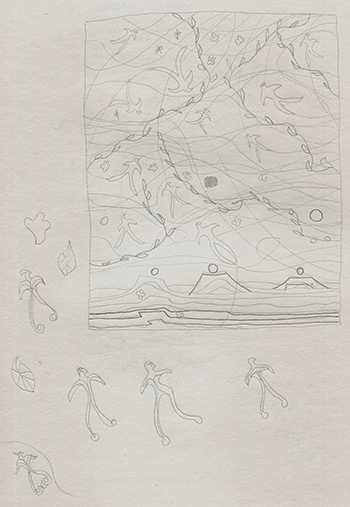
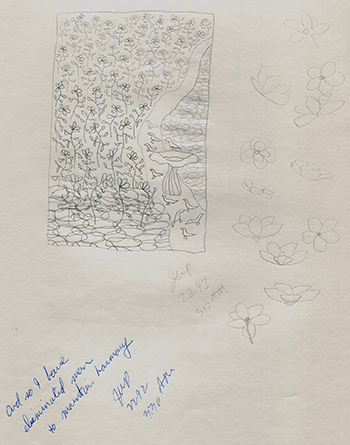
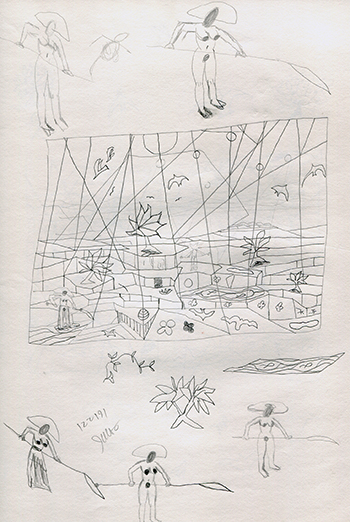
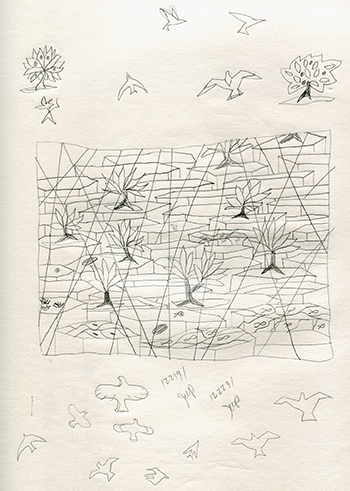
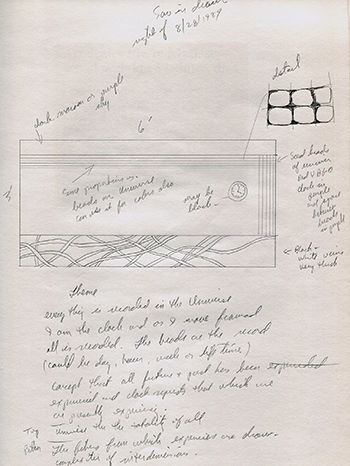
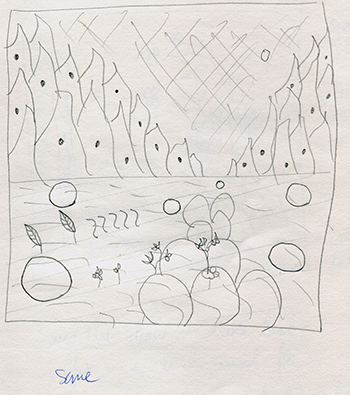
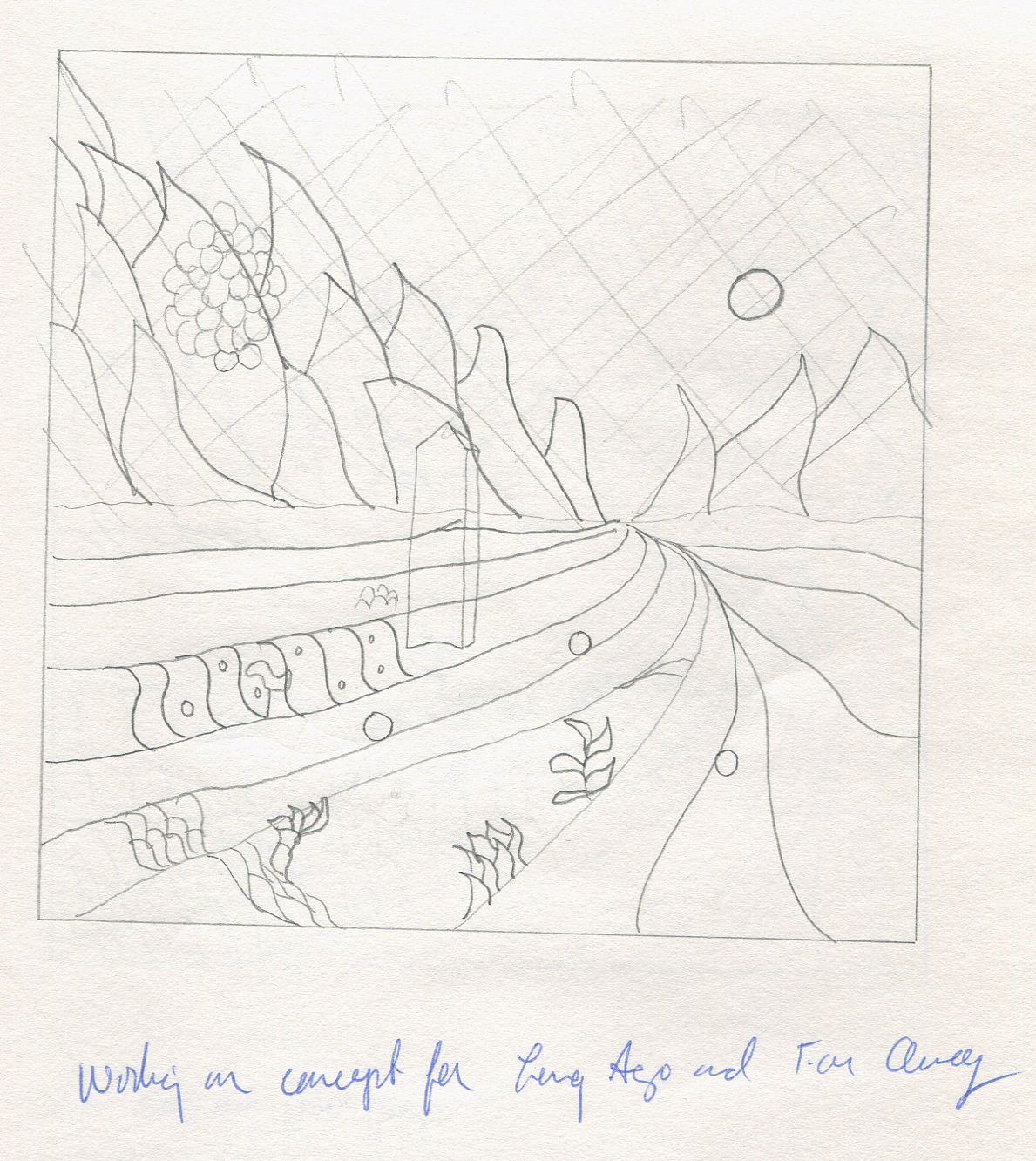
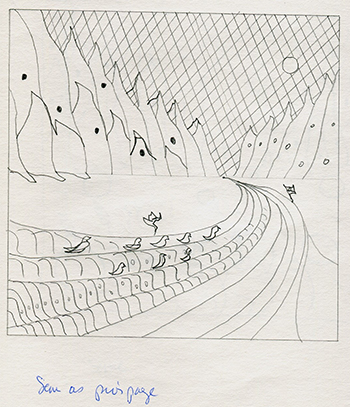
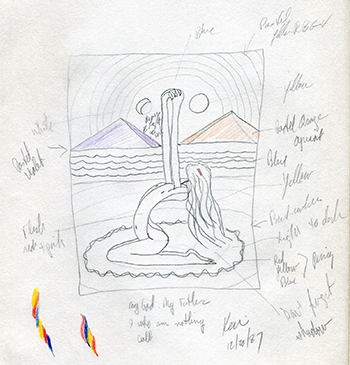
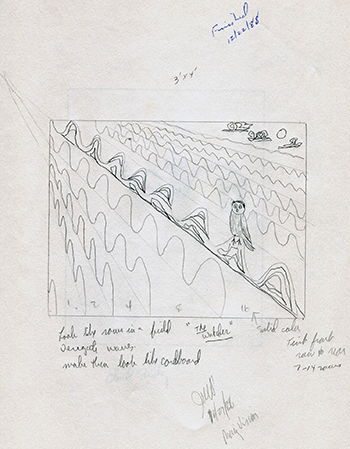
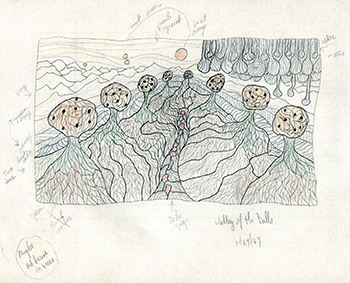
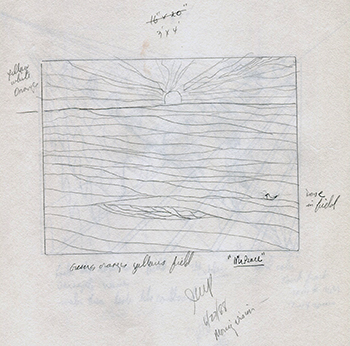
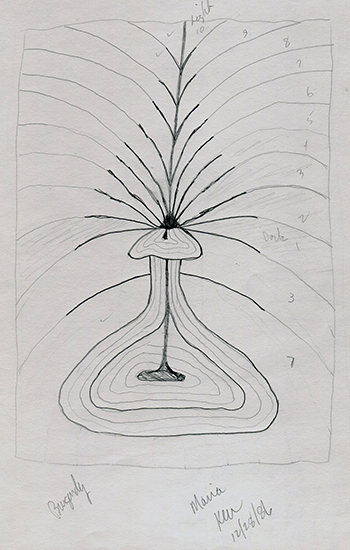
1) I think of a painting in my mind. I presently want
to create art with a nude interacting with five to ten
levels of abstractions. In a sketchbook, I make a very
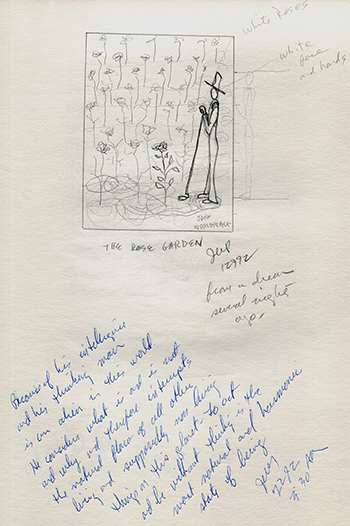
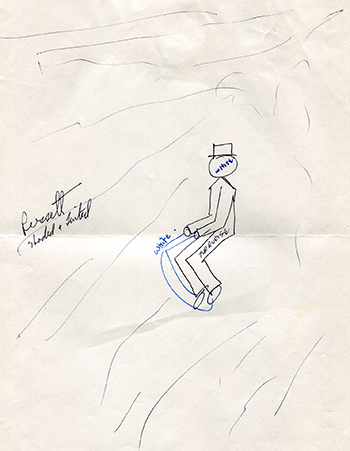
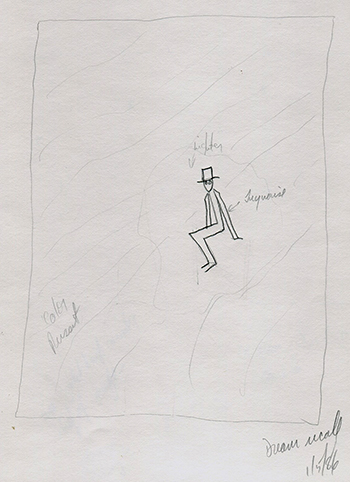
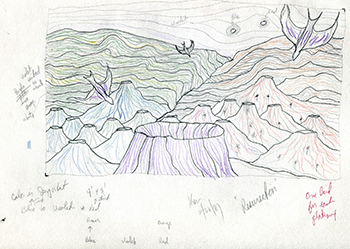
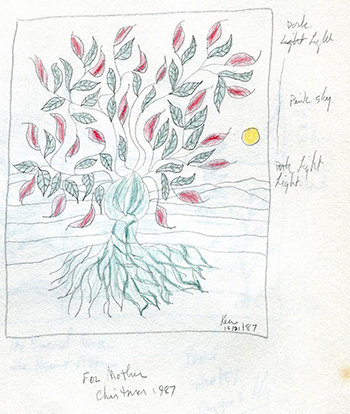
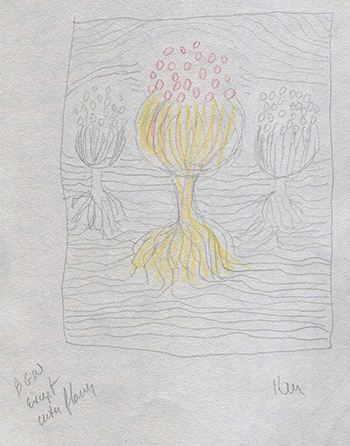
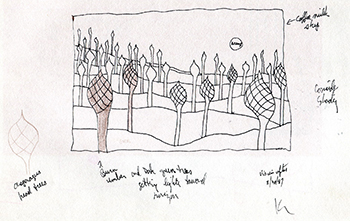
rough sketch of what I want to create. (See Concept
above) The sketch takes less than two or three minutes.
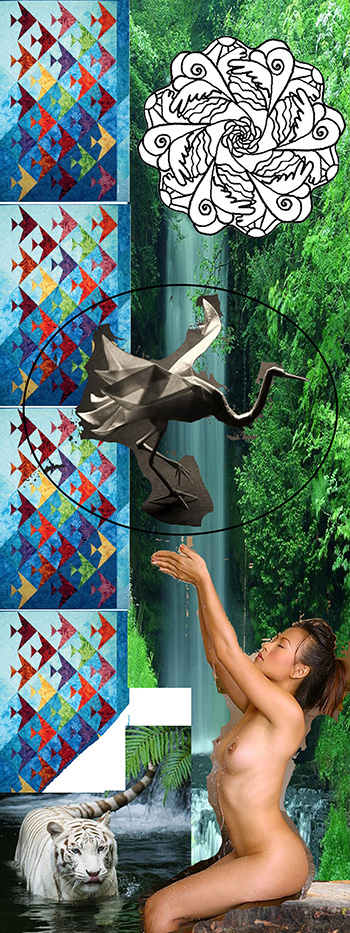
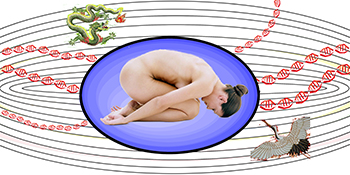
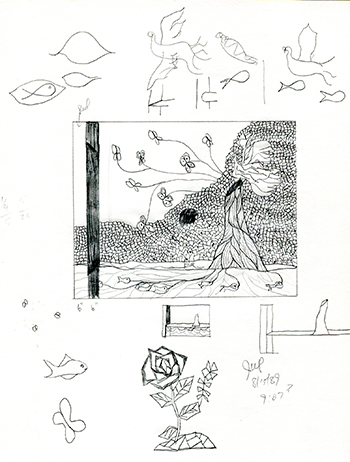
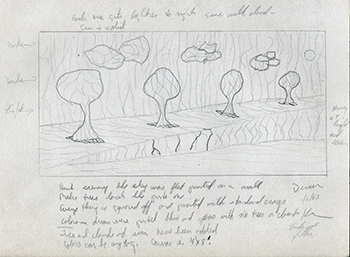
2) Next, I do an image search on the Internet for the
things I want in the painting. I am a web designer with
an excellent facility with Photoshop and other graphic
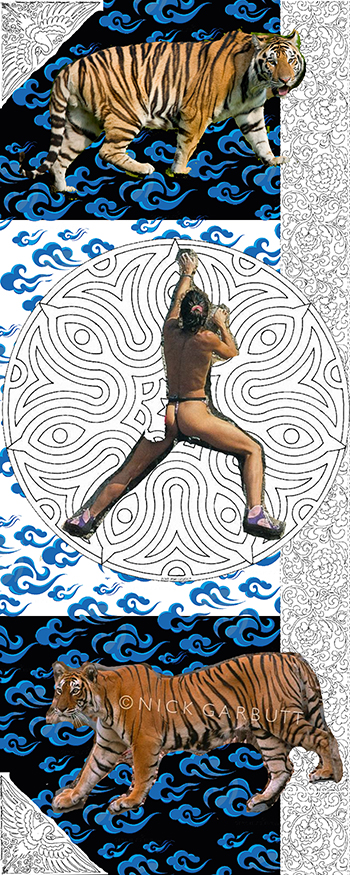
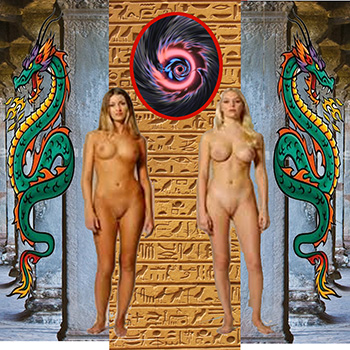
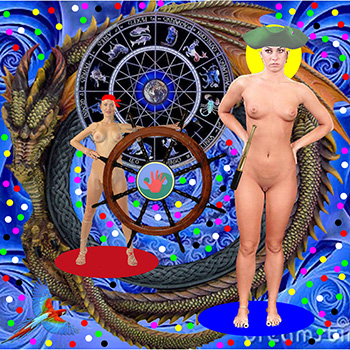
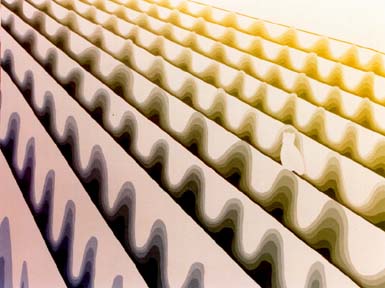
software. I then create many layers using these images
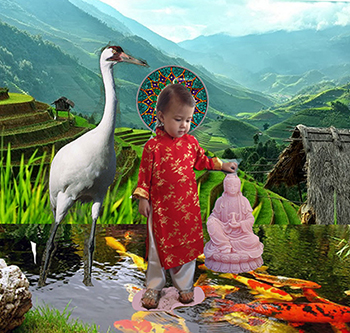
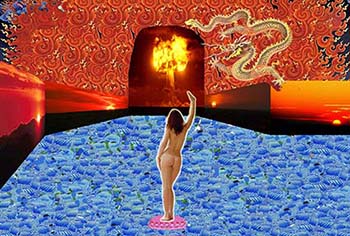
and construct a crude representation of the painting
(See Photoshop Sketch above). Mostly I am interested
in shape, design and general composition at this stage.
For instance, I am interested in the shape of a butterfly,
not its design or color.
3) When I finish with step two, I use a large printer
to print a black and white copy of the Photoshop sketch
in the actual size of the canvas to be created.
4) Next, I tape carbon paper over the canvas, and then
tape the printout over that. I mark on the printout
with a High-Liter the general areas that I want my apprentice
to transfer to the canvas.
5) When the apprentice is finished with her work, I
remove the carbon and the printout from the canvas and
I begin to add in the details of the painting. I often
make a lot of changes and add a lot of detail to the
transferred image. In the end, I have what amounts to
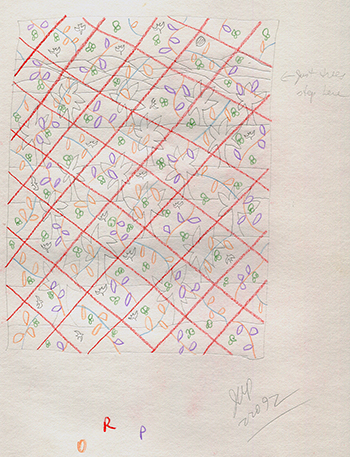
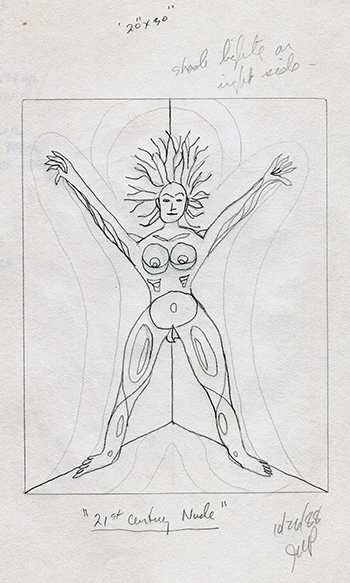
an elaborate paint-by-numbers, sketched in a hard lead
pencil on the canvas.
For an example of a completed
drawing click here: Mentor Red Drawing
6) Next, I mix the paint to be applied to the canvas.
After mixing the paint, I take a brush or Q-tip and
daub the paint onto the areas where I want to apply
that color. The apprentice then applies the color. The
apprentice does occasionally voice her opinion about
the developing painting, and sometimes I incorporate
those changes or a modification of those changes. Except
in very small areas, paint is not applied on the top
of other paint. The canvas is painted the same as a
commercial paint-by-numbers, with colors applied side-by-side.
7) When I am creating the sketch of the painting or
adding the color, decisions have to be made as the work
develops. The things I see in my visualization are not
always the way they look when the painting is being
actually drawn and painted. During the production, while
the apprentice is working, I constantly monitor the
developing painting and make changes. Some changes are
subtle, but every once in a while the changes are significant.
In the twenty-five years that I have been using my current
technique, I have never found it necessary to remove
paint from a large area and repaint it. I micro manage the
development of the painting too closely for that to
happen.
8) After the apprentice goes home each day, I usually spend time looking at the painting to make sure it is moving in the right direction and decide if I need to make any changes to get the painting more in line with my vision. I never tire of looking at my art.
9) I only allow the most skilled apprentices to paint the nude figures.
Those are generally done after the rest of the painting is finished
and has been allowed to dry for about a week. Sometimes, the figure is painted first.
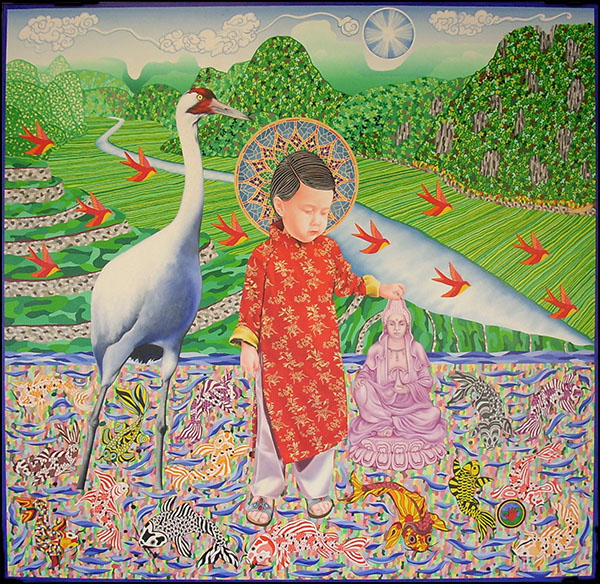
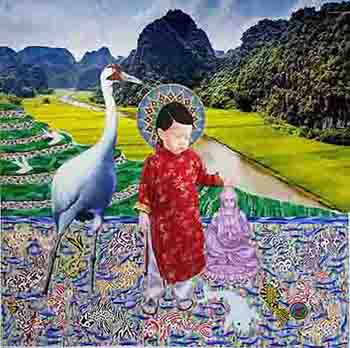
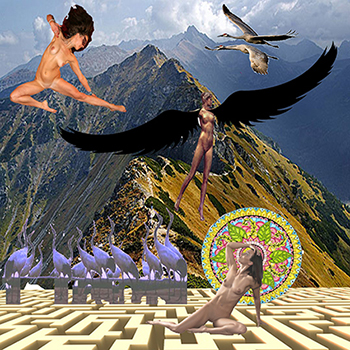
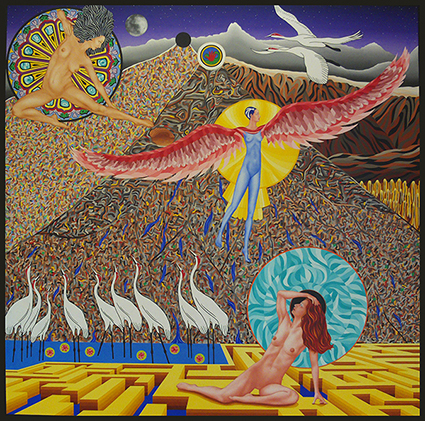
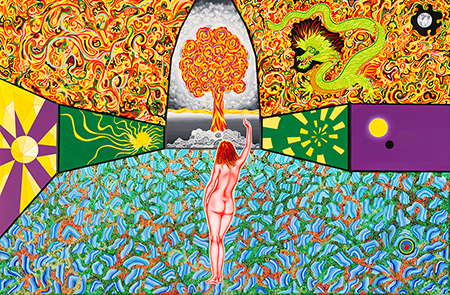
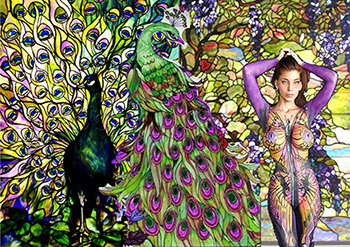
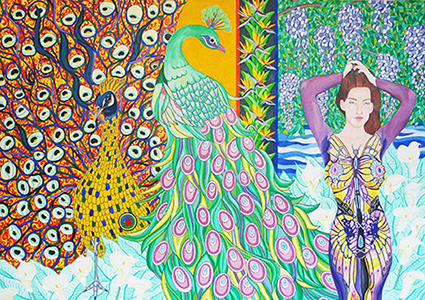
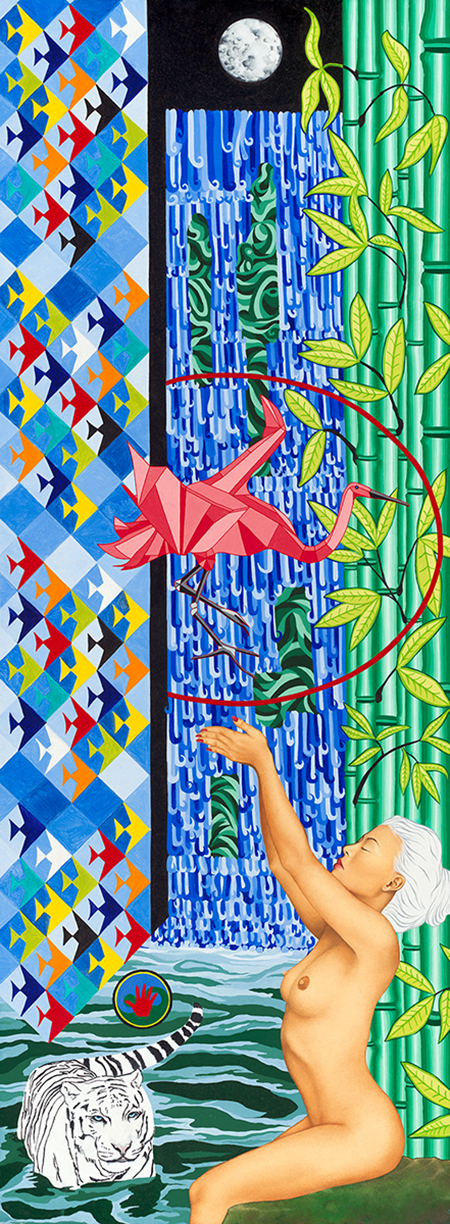
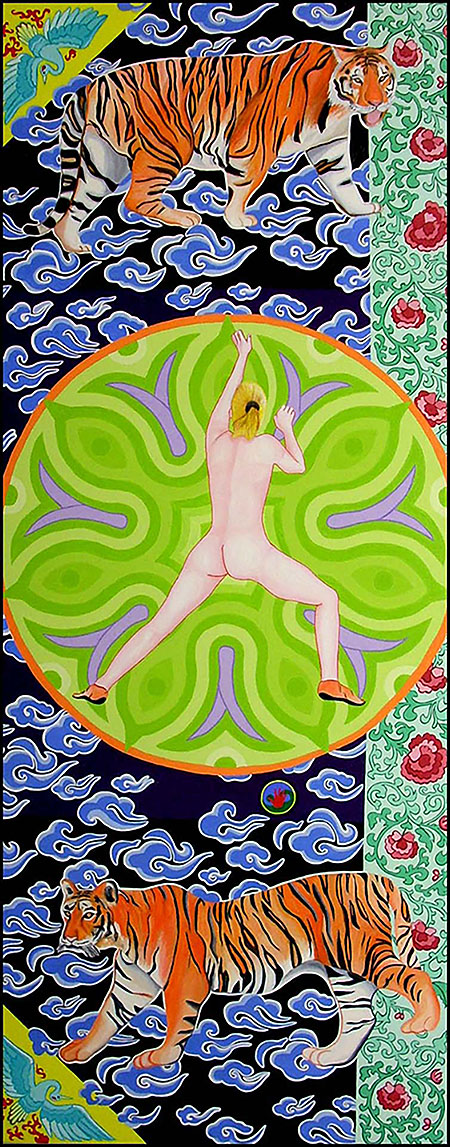
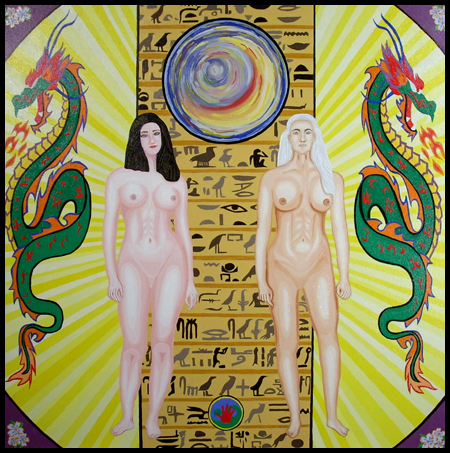
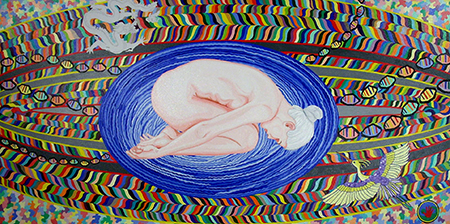
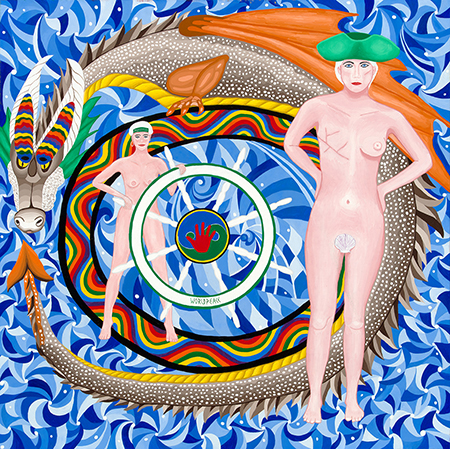
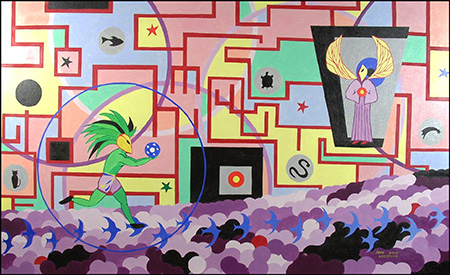
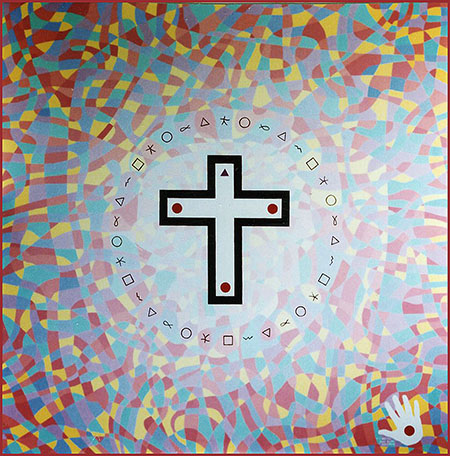
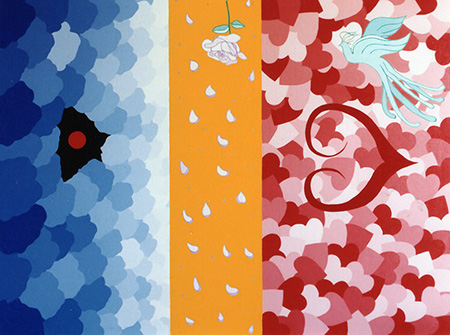
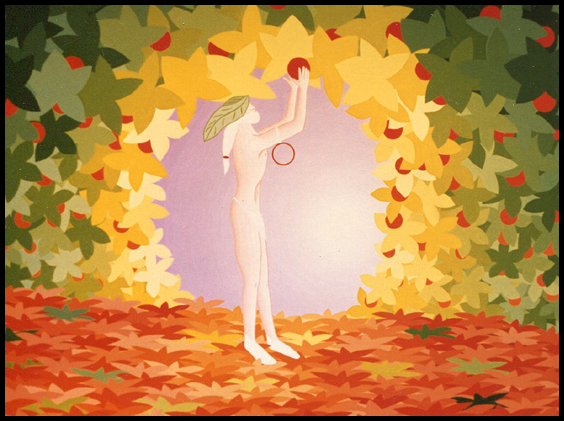
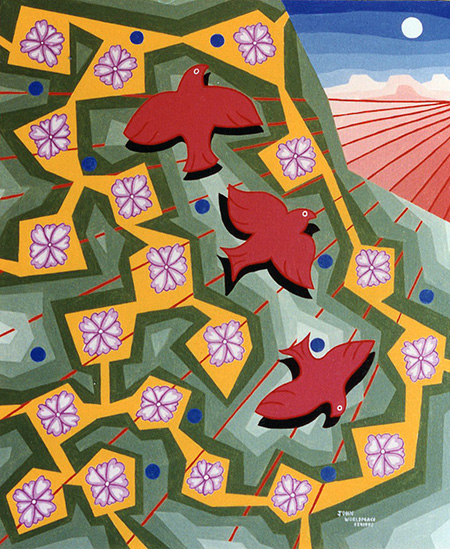
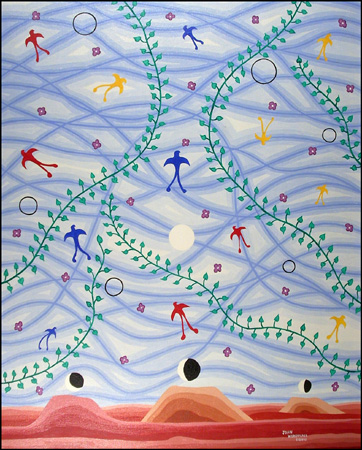
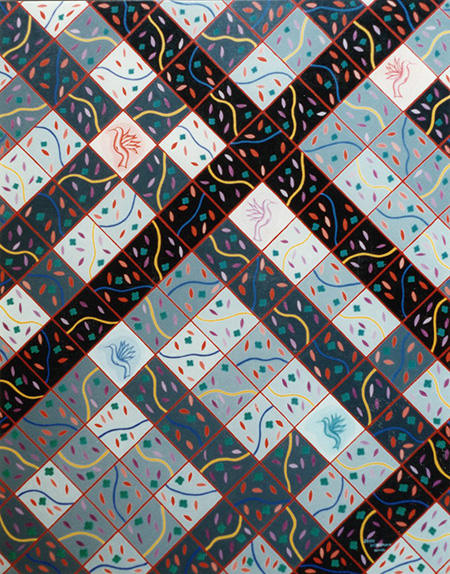
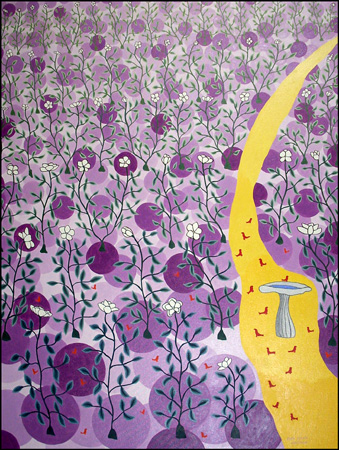
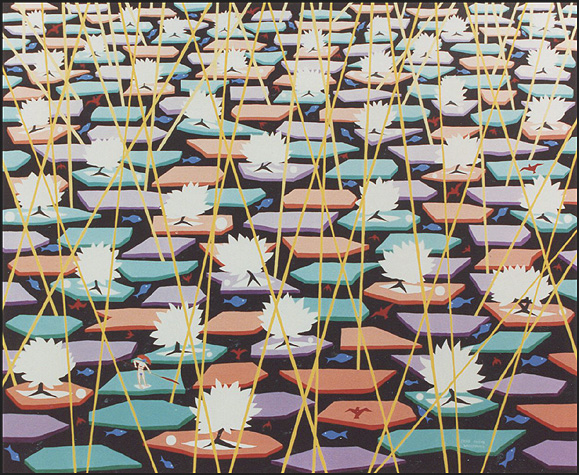
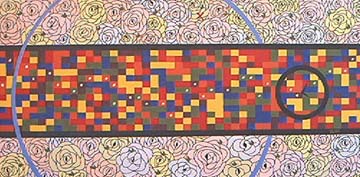
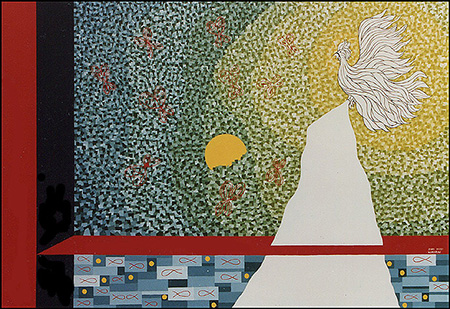
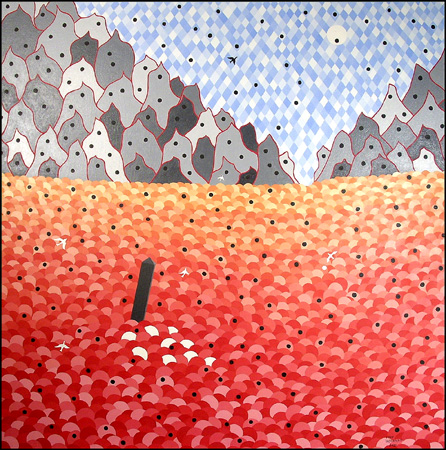
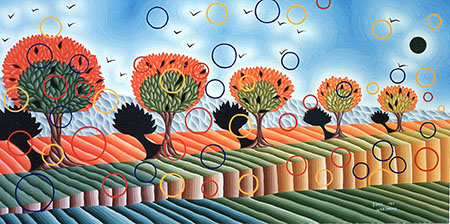
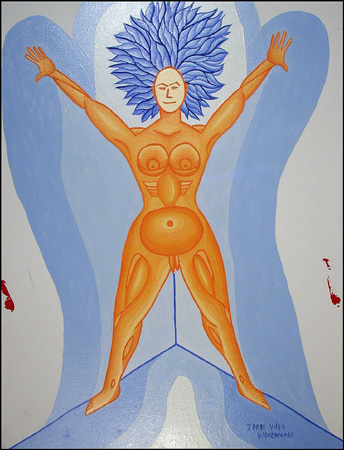
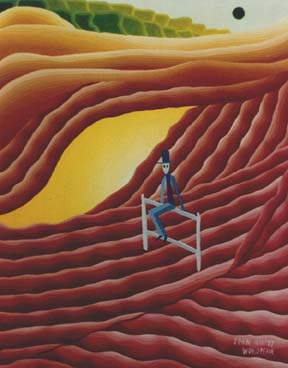
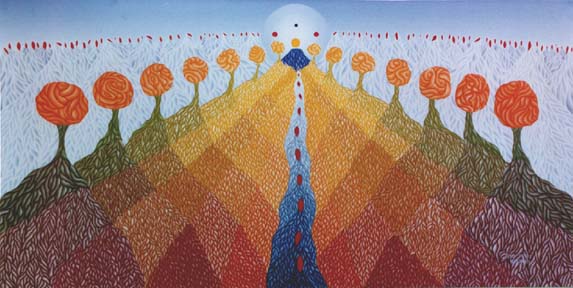
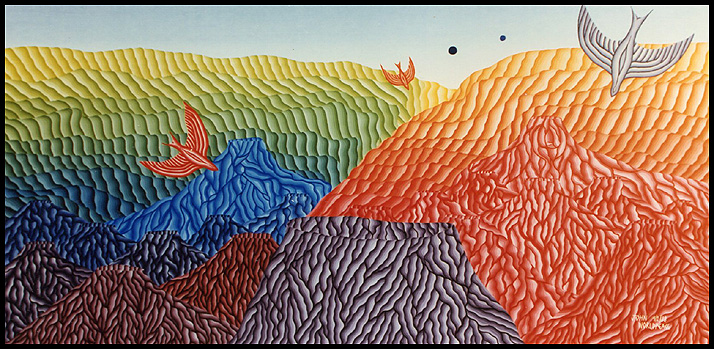
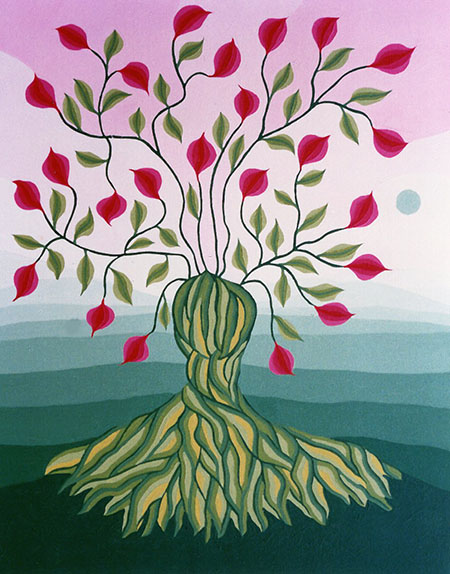
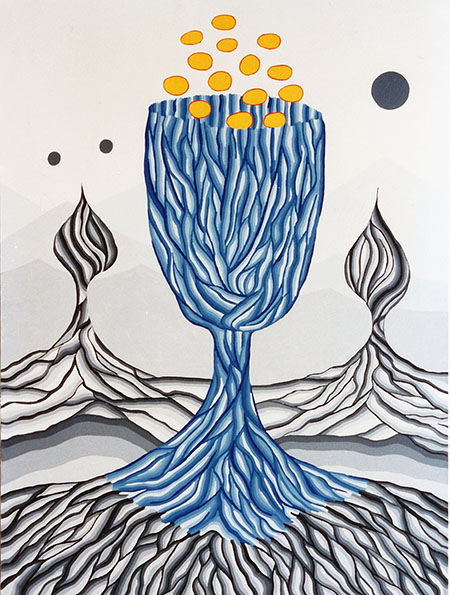
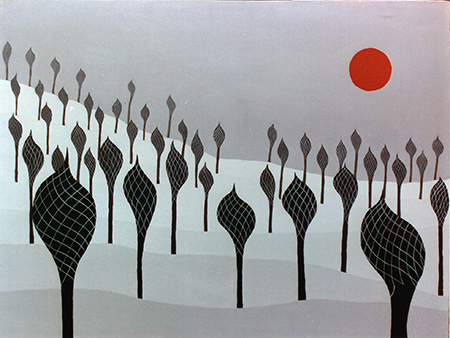
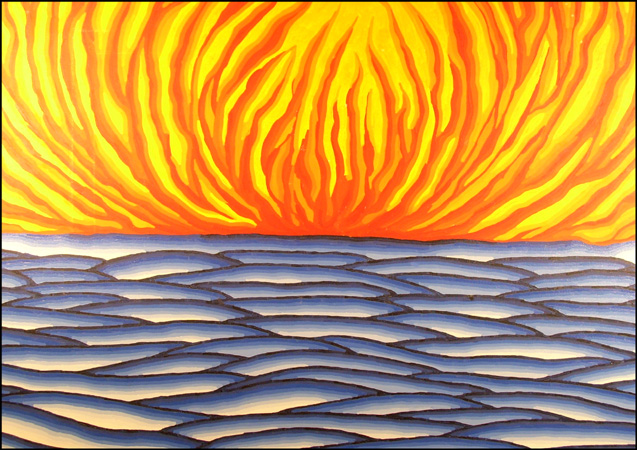
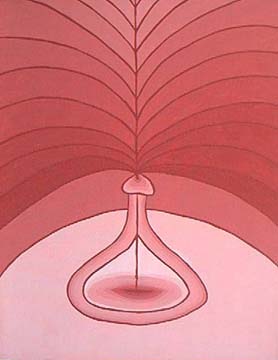
10) See the Final Painting above and the ones below and see how different the final paintings are from the pencil and Photoshop sketches.
Dr John WorldPeace
150730
|